
Europe’s Path to Technological Sovereignty: Dual‑Use Innovation, AI, and Defense Readiness

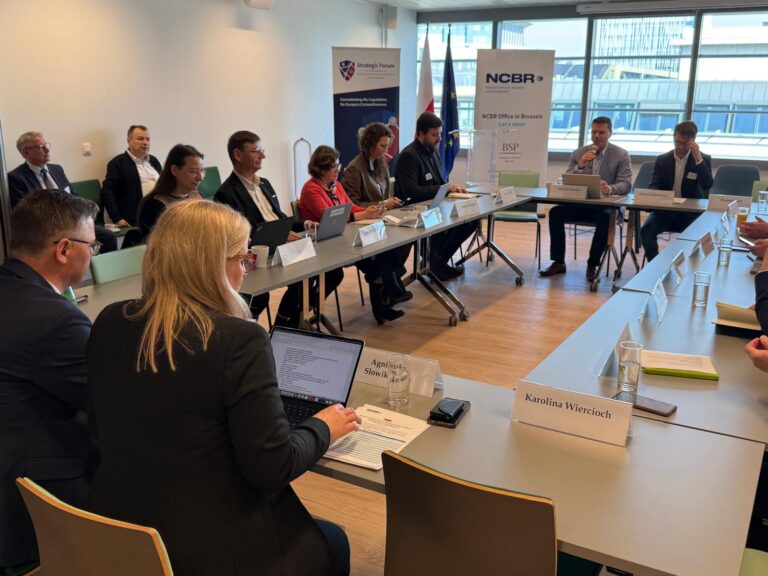
Roundtable Discussion – Brussels, 09.03.2026
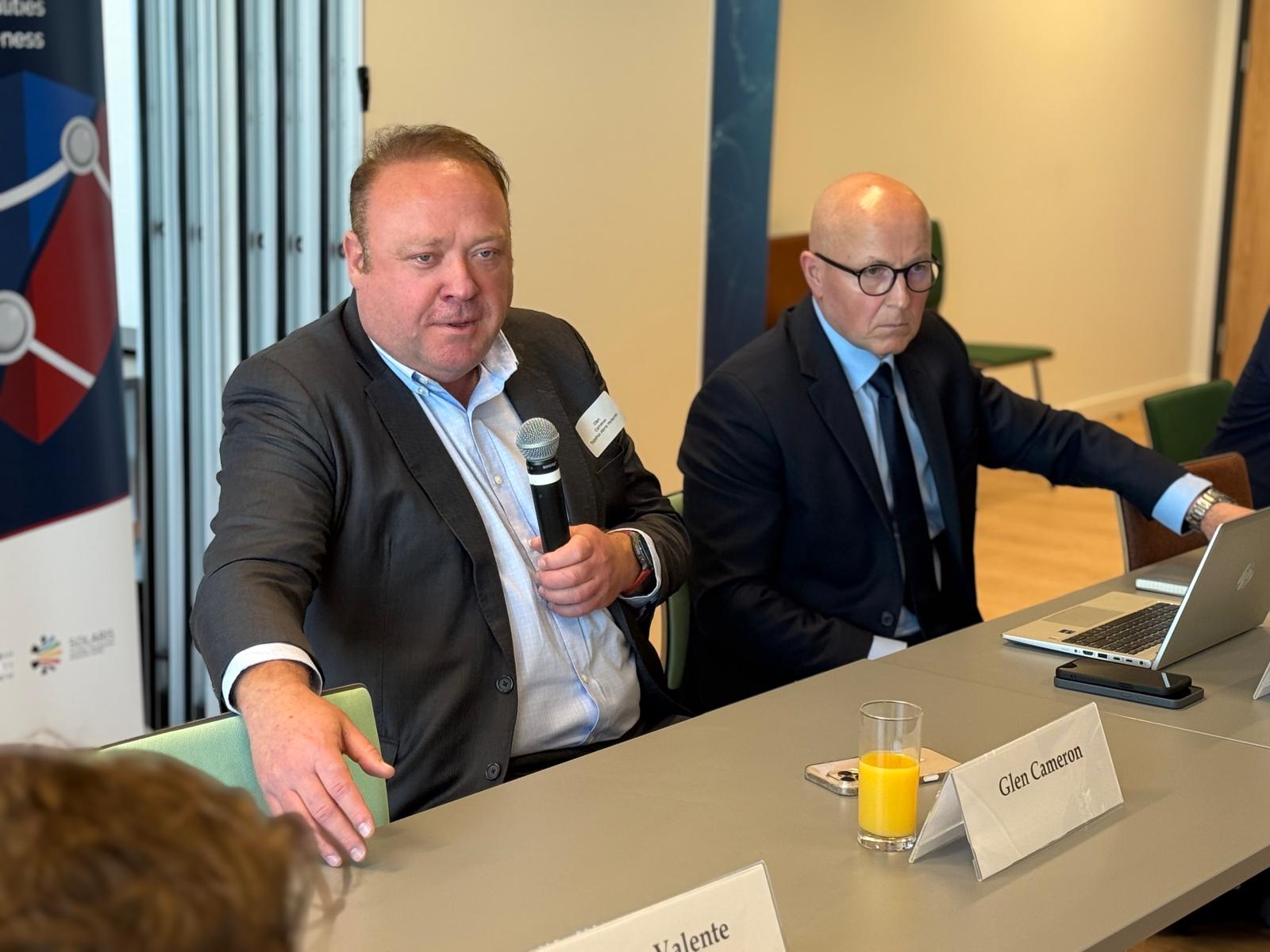
On 9th March, the AI Chamber in close collaboration with the National Centre for Research and Development (NCBR) organised a high-level roundtable on dual-use technology, titled
“Europe’s Path to Technological Sovereignty: Dual‑Use Innovation, AI, and Defense Readiness”. This roundtable was part of a larger event “Research Infrastructures Driving Europe’s Defence and Dual‑Use Competitiveness,”, organized by the Polish NCBR Office in Brussels, Nicolaus Copernicus University in Toruń, SOLARIS National Synchrotron Radiation Centre (JU), and Military University of Technology in Warsaw.
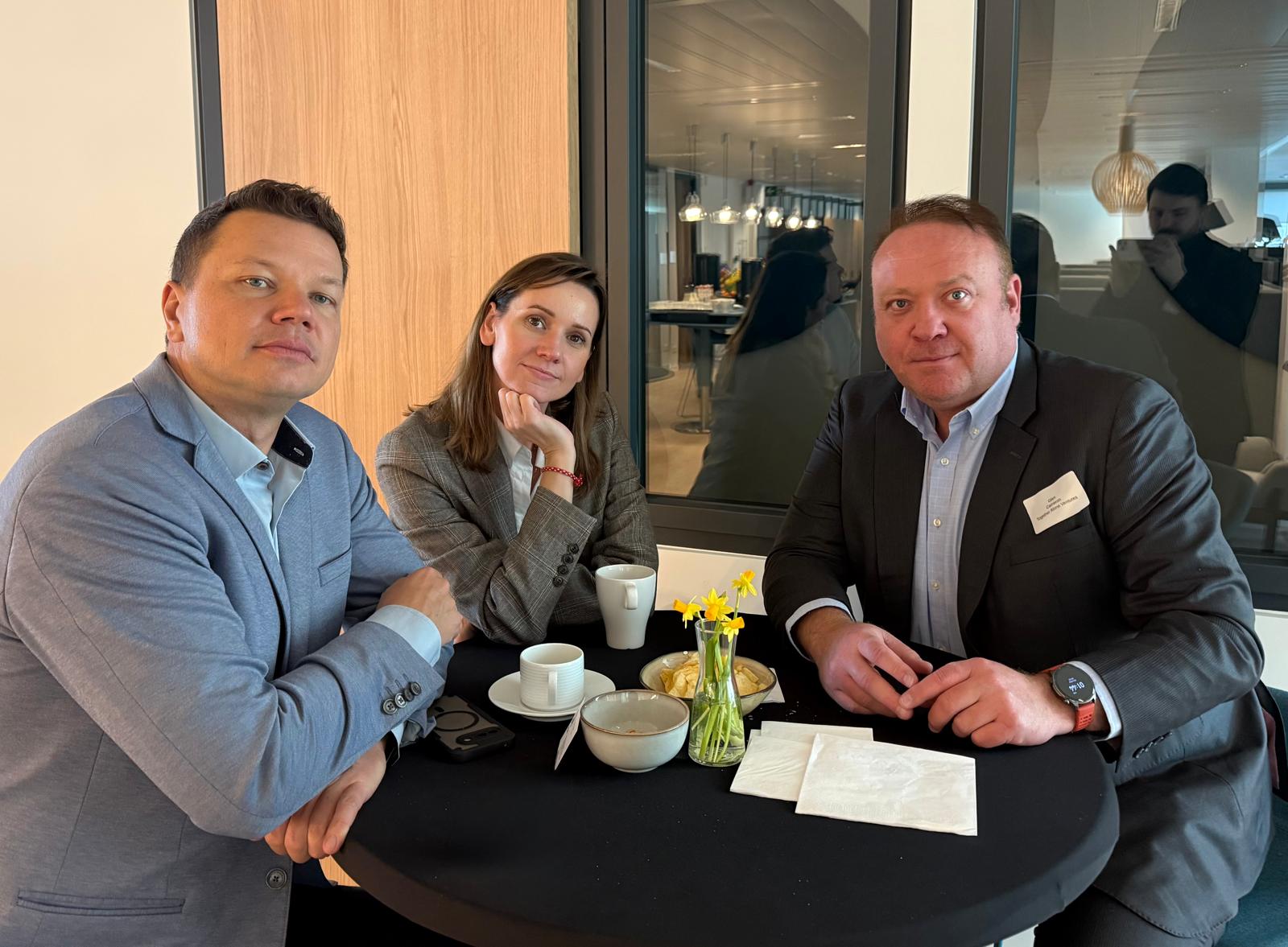
Our sincere thanks go to the NCBR as organisers and Business Science Poland as hosts, for convening such a timely and relevant conversation, and to all participants – representing the established industry, the startup ecosystem, public and EU bodies, academia and end-user communities – for bringing candour, expertise and real intellectual generosity to the table. The quality of dialogue was a testament to the urgency and importance that everyone in this room assigns to this topic.
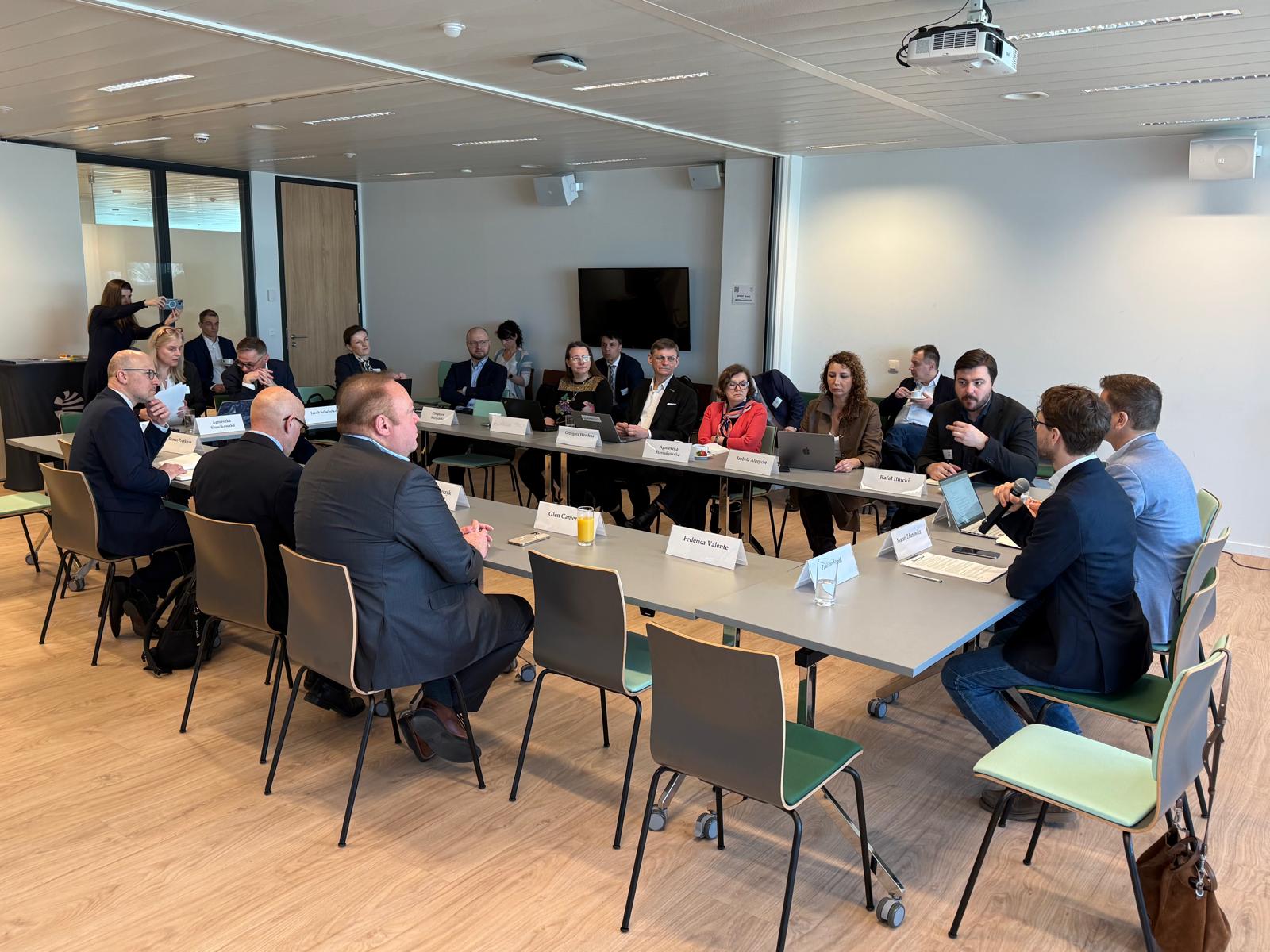
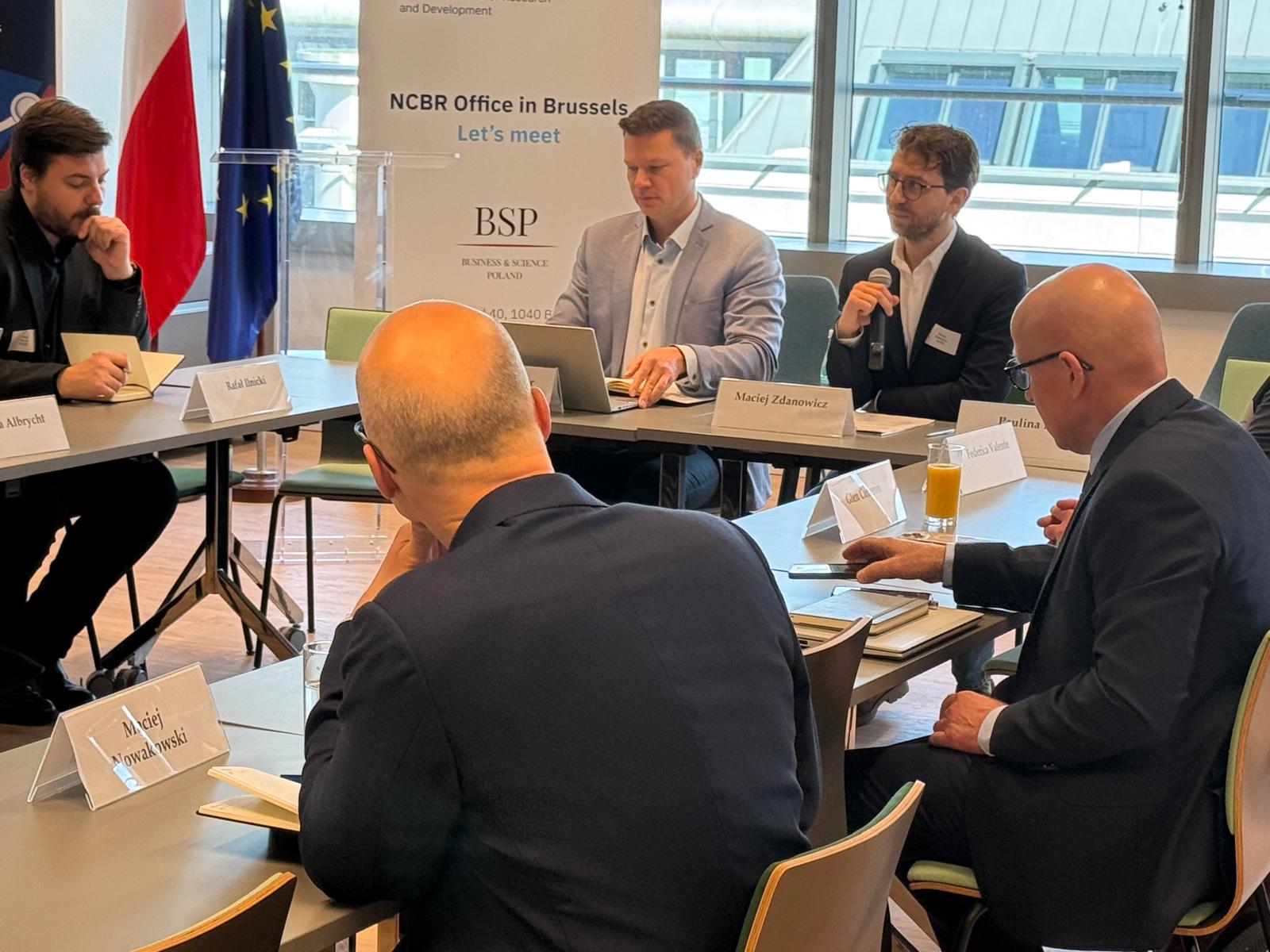
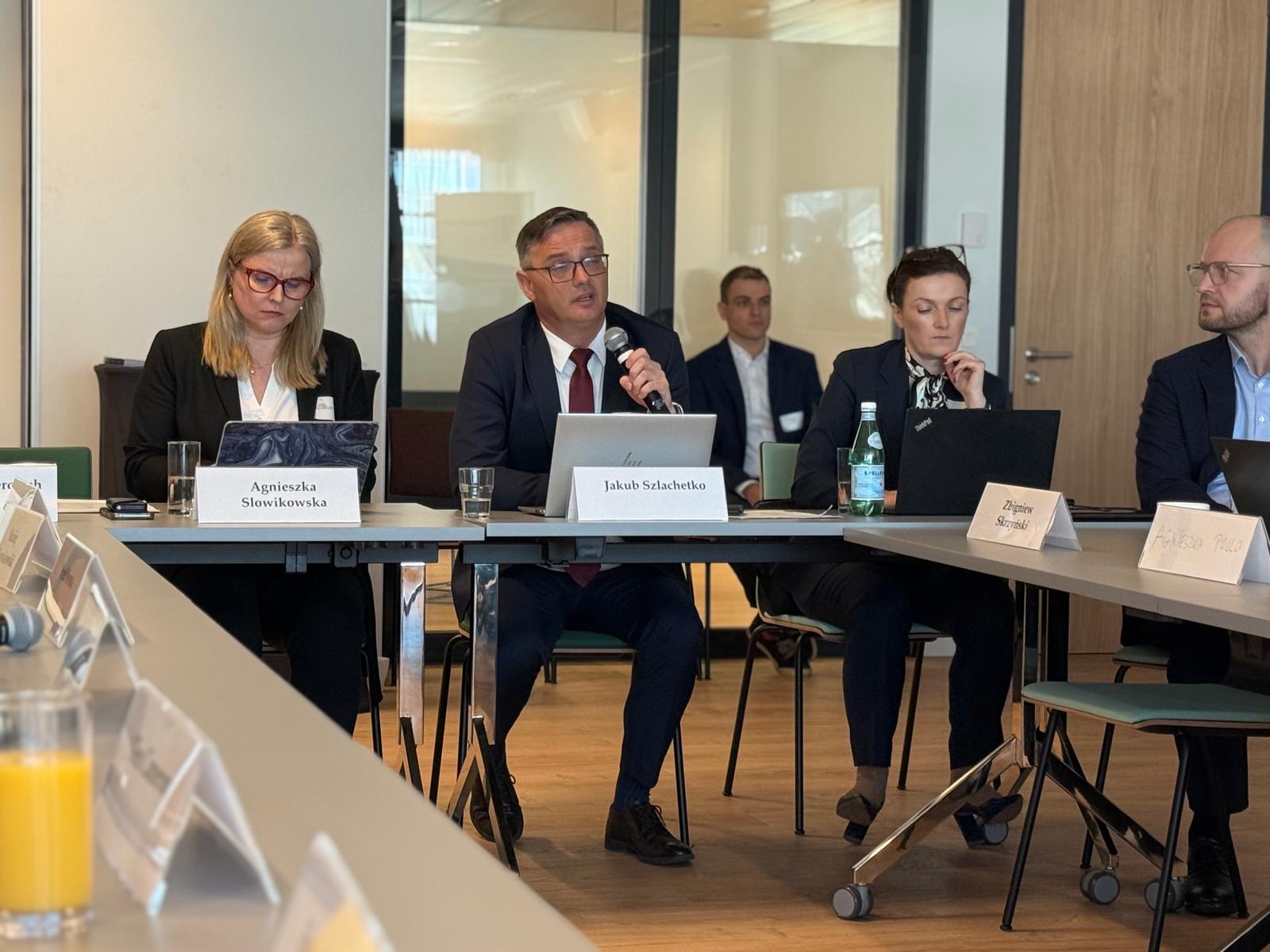
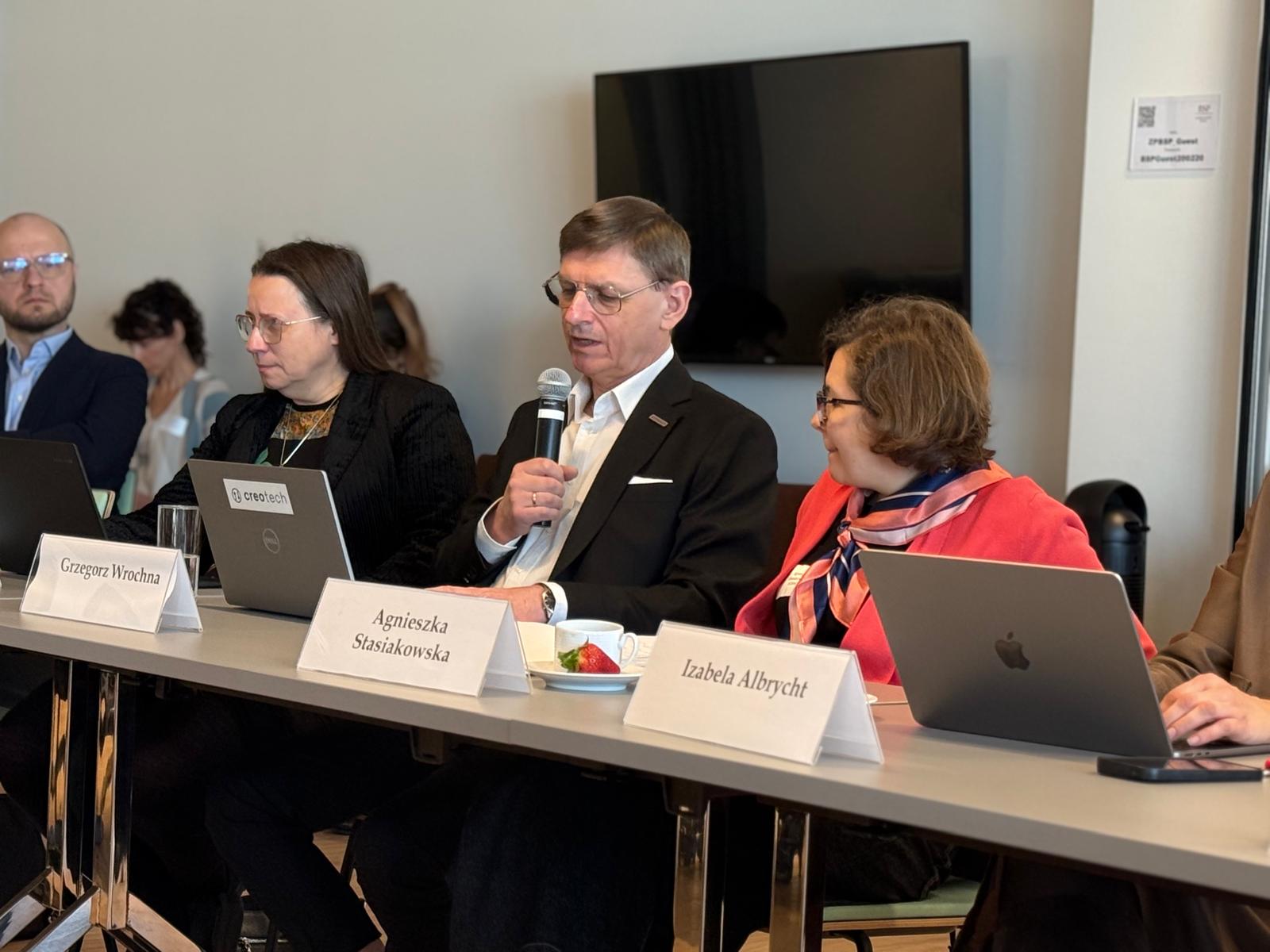
It is always a challenge to summarise such a long exchange between such experts, but please find below some key takeaways that we believe there was broad consensus on:
- In a security and defence landscape that is evolving faster than at any point in recent memory, agility is not a luxury – it is a necessity. Small and innovative entrants – startups and SMEs – iterate at a pace that larger, established players structurally cannot match. In a threat environment defined by volatility and uncertainty, this quality is precisely what defence and security structures need to be able to access and absorb.
- The roundtable was frank about the reality: for most SMEs and startups, the only realistic route into security and defence supply chains runs through large incumbent prime contractors. This is not inherently problematic – primes bring systems integration capability, compliance infrastructure and trusted relationships – but it does mean that the fate of innovative new entrants is effectively gatekept by organisations whose commercial incentives do not always align with rapid adoption of external innovation.
- This led to an important discussion about how to change those incentives. Participants highlighted instruments such as cascade funding and innovation vouchers as practical tools to encourage primes to actively pull SMEs into their contract structures, rather than treat subcontracting as an afterthought. The consensus was that well-designed incentive mechanisms can shift behaviour – but they need to be properly resourced and consistently applied.
- Underlined was a disconnect between military and security end-users and innovators working at the frontier of technology. Participants agreed that structured, trusted spaces and channels must be created to allow these two communities to engage directly: end-users articulating their needs and operational constraints; innovators sharing emerging capabilities and potential solutions. Such a space, designed for rapid prototyping, testing and iteration, would benefit both sides enormously – and critically, it would dramatically shorten the time between problem identification and deployable solution.
- The group acknowledged honestly that integrating new and less-established players into critical defence supply chains is not without risk. Security vetting, technology protection, and supply chain integrity are non-trivial concerns – especially when cutting-edge military capabilities are at stake. These challenges deserve serious attention and tailored frameworks.
- What innovators need above all else is a market – customers willing to buy, deploy and scale their products and services. Grant programmes, however well-intentioned, do not substitute for commercial demand and bring risks of distorting the ecosystem. An urgent priority, is to fix public procurement. Current procedures are too slow, too risk-averse and too heavily weighted against novel solutions. Reforming procurement rules to reward innovation, enable faster contracting, and create genuine market pull for new entrants was identified as one of the single highest-leverage interventions available to policymakers.
Looking Ahead
We are living through a moment of profound geopolitical disruption – one that is forcing Europe to confront long-deferred questions about its strategic autonomy, its industrial resilience, and its capacity to deter and defend. The answer to these challenges will not come from incumbents alone.
Defence spending, scaled up as it now must be, should not simply flow into legacy structures. Done right, it can be a flywheel for the broader European economy – generating technology spillovers, building sovereign capability, and catalysing a new generation of deep-tech companies capable of competing globally. This requires the EU and its Member States to invest meaningfully and deliberately in the startup ecosystem: not as a peripheral gesture, but as a core element of the defence industrial strategy.
The conversation we had is exactly the kind that needs to happen more often, and in more forums – between policymakers and operators, between primes and startups, between Brussels and the front line. We look forward to continuing this dialogue, and to working together to build the kind of open, innovative and resilient defence and security ecosystem that the current moment demands.
· More articles

Start of AI Chamber
The inauguration of the AI Chamber (Chamber of AI) took place in Warsaw, a newly established institution uniting dozens of startups, companies, organizations, and AI NGOs in Poland, and eventually across the entire CEE region. This is an important voice in the community because in a world of misinformation, changing narratives, interests, and, let’s not […]
European AI Act – AI Chamber Members’ Meeting
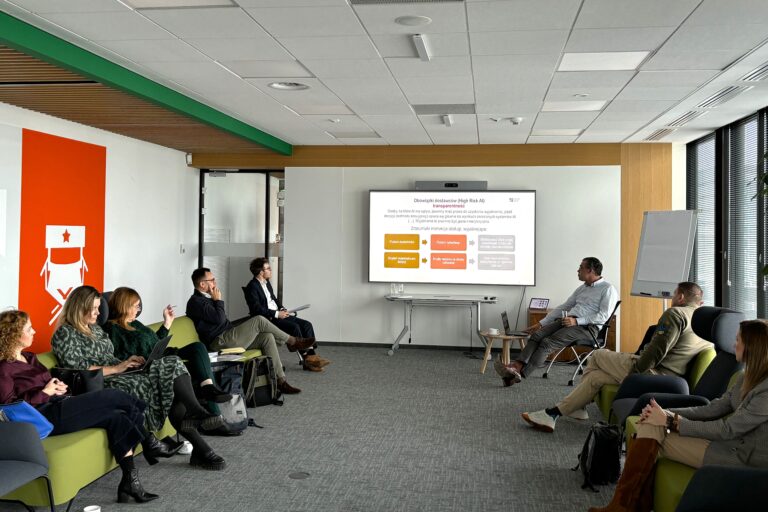
European AI Act – AI Chamber Members’ Meeting On October 28, 2024, AI Chamber members met to discuss the implications of the AI Act for the AI ecosystem. Led by Mikołaj Sowiński and Michał Kalinowski from the law firm SK&S Legal, the session clarified roles such as suppliers, users, distributors, importers, and authorized representatives under […]